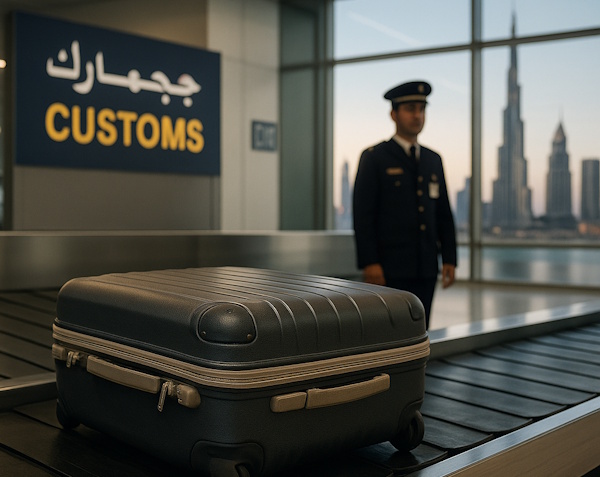
Mitbringsel Dubai Zoll: Navigating Duty-Free Allowances for a Smooth Return
Dubai, a dazzling jewel in the Arabian Gulf, is synonymous with luxury, innovation, and an unparalleled shopping experience. From the bustling traditional souks to the world's largest malls, the emirate offers an astonishing array of souvenirs, gifts, and personal treasures. Whether you're eyeing exquisite gold jewelry, fragrant perfumes, high-tech gadgets, or unique cultural artifacts, the allure of bringing a piece of Dubai home is undeniable. However, before you fill your suitcases to the brim, understanding the intricacies of "Mitbringsel Dubai Zoll" – or Dubai souvenirs and customs regulations – is paramount. Navigating these rules ensures your cherished purchases make it home without unexpected duties, taxes, or, worse, confiscation. This comprehensive guide will equip you with the knowledge needed for a hassle-free return journey, focusing on duty-free allowances and smart customs practices.
Understanding Dubai's Souvenirs and Customs Basics
The joy of travel often culminates in sharing experiences and gifts with loved ones, or keeping a memento for yourself. Dubai provides countless opportunities for both. However, every country has its own customs regulations designed to control the flow of goods, protect local industries, collect taxes, and prevent the import of prohibited items. When we talk about "Mitbringsel Dubai Zoll," we're specifically addressing the customs rules of *your destination country* concerning items you're bringing back from Dubai. It's not about Dubai's export rules (though those exist too, particularly for high-value items like gold), but about what you're allowed to *import* into your home country duty-free or with a duty payment.
The concept of "duty-free" is a traveler's best friend. It allows you to import a certain quantity or value of goods without paying import duties or taxes, provided they are for personal use and within specific limits. These limits vary significantly depending on your destination country (e.g., EU member states, USA, UK, Canada, Australia, etc.) and the type of goods. Failure to declare items exceeding these allowances, or attempting to bring in prohibited goods, can lead to fines, seizure of items, and even legal consequences. Therefore, thoughtful planning and informed shopping are key to turning your Dubai shopping spree into a lasting, positive memory rather than a customs headache.
Navigating Duty-Free Allowances: What You Can Bring
When planning your purchases, the most critical aspect of "Mitbringsel Dubai Zoll" is understanding the duty-free allowances specific to your home country. While exact figures vary, there are common categories of goods with defined limits worldwide. Always check the official customs website of your destination country before traveling, as rules can change.
Alcohol and Tobacco: The Specifics
These categories are almost universally subject to strict quantity limits due to health and taxation policies.
- Alcohol: Most countries permit a limited quantity of alcoholic beverages. For instance, many Western countries (e.g., EU, USA, UK) generally allow 1 liter of spirits (over 22% ABV) *or* 2 liters of fortified wine/sparkling wine (under 22% ABV) *and* 4 liters of still wine, plus up to 16 liters of beer per adult traveler. Keep in mind that "adult" usually means 18 or 21, depending on the country's legal drinking age.
- Tobacco: Similar to alcohol, tobacco products have strict limits. Typically, you might be allowed to bring in 200 cigarettes *or* 100 cigarillos *or* 50 cigars *or* 250g of smoking tobacco. These are usually mutually exclusive, meaning you can bring *one* of these, not all. Some countries also have restrictions on heated tobacco products and e-liquids.
These items must be for your personal consumption or for gifts, not for commercial resale. Exceeding these limits will almost certainly incur duties and taxes.
Other Goods: Perfumes, Electronics, and More
Beyond alcohol and tobacco, most countries also have a monetary value limit for "other goods" that can be imported duty-free. This category typically includes perfumes, clothing, electronics, non-precious jewelry, foodstuffs, and general souvenirs.
- Monetary Value Limit: This is a crucial number. For example:
- For EU countries, the general allowance for goods imported by air or sea is €430 per person.
- For the USA, it's typically $800 per person.
- For the UK, it's £390 per person.
- For Canada, it can be up to CAD$800 after a 7-day absence, or less for shorter trips.
This limit applies to the total value of all items in this category. If you purchase an item worth more than this limit, you'll generally have to pay duties on the *entire value* of that item, or at least the amount exceeding the allowance.
- Perfumes and Toilet Waters: Often, within the general monetary limit, there might be specific, additional quantity allowances for perfumes (e.g., 50g perfume and 250ml toilet water for some regions). However, it's safer to consider them part of the overall "other goods" monetary allowance.
- Electronics & Apparel: High-value items like new smartphones, laptops, designer clothing, or luxury watches bought in Dubai are subject to the general monetary limit. Be prepared to declare these if their value pushes you over the allowance.
It's vital to remember that these allowances are per person. If you're traveling as a family, you might be able to pool your allowances for certain items, but check your specific country's rules carefully, especially for alcohol and tobacco which are often individual allowances. For a deeper dive into the specific regulations, you might find valuable insights in our detailed guide on
Dubai Souvenirs & Customs: Essential Import Rules.
Special Considerations: Gold, Jewelry, and Precious Items
Dubai's gold souk is world-renowned for its exquisite designs and competitive prices. Bringing gold and precious jewelry back as "Mitbringsel Dubai Zoll" is a common aspiration, but it comes with unique customs considerations.
- Value vs. Weight: Gold and jewelry are high-value items and will count towards your general monetary duty-free allowance. If you buy a piece of jewelry worth more than your country's allowance (e.g., a gold necklace for €1000 when your allowance is €430), you will owe duty and taxes on the amount exceeding the allowance, or potentially the full value depending on local rules.
- Declaration of High-Value Items: Even if within your allowance, it's often wise to declare expensive jewelry, especially if it's new and unworn. Customs officials are adept at spotting undeclared valuables. Having the receipt handy is crucial.
- Personal vs. Commercial: Be aware that bringing in significant quantities of gold or multiple pieces of jewelry could be interpreted as commercial import, triggering much higher duties and stricter regulations.
- Purity and Hallmarking: While not a customs duty issue, understand the gold's purity (karats) and ensure it's properly hallmarked. Dubai is known for its pure gold.
Prohibited and Restricted Items: What to Avoid
Beyond allowances, certain items are either outright prohibited or heavily restricted regardless of value. Ignoring these rules can lead to severe penalties.
- Narcotics and Illicit Drugs: Absolutely prohibited. Dubai has zero tolerance for drugs, and attempting to import or export them will lead to extremely severe penalties.
- Weapons and Ammunition: Highly restricted. This includes firearms, certain types of knives, and self-defense sprays. Special permits are almost always required.
- Counterfeit Goods: Prohibited. Do not buy fake luxury brands, electronics, or copyrighted materials. Customs authorities worldwide are actively cracking down on counterfeit goods, and they can be seized.
- Endangered Species Products: Prohibited. Items made from endangered animals or plants (e.g., certain ivories, furs, reptile skins) are illegal under CITES conventions.
- Certain Food Items: Many countries restrict the import of fresh meat, dairy, fruits, vegetables, and plants to prevent the spread of diseases or pests. Packaged, processed foods are usually fine, but check for specific ingredients (e.g., some countries restrict date products with pits).
- Culturally Offensive Materials: Content deemed pornographic, blasphemous, or inciting hatred. While Dubai has its own sensitivities, your home country may also have restrictions.
Always exercise caution and common sense. If you're unsure about an item, it's best to leave it behind or contact your customs authority for clarification before your trip. For specific guidance on what constitutes a prohibited item when bringing gifts, our resource on
Bringing Gifts from Dubai: Your Customs Guide offers more details.
Smart Customs Declaration: Tips for a Smooth Return
Even with allowances, knowing how to declare your goods correctly is essential for a stress-free return.
- Be Honest and Declare Everything: The golden rule of "Mitbringsel Dubai Zoll." If you're unsure whether an item is within your allowance or if it needs to be declared, declare it anyway. It's always better to over-declare than to under-declare. Customs officials appreciate honesty.
- Keep All Receipts: This is perhaps the single most important tip. Retain original receipts for all purchases, especially for high-value items. This proves the item's value and purchase date, which is crucial for calculating duties if applicable. Keep them separate and easily accessible.
- Understand the Value Basis: Customs typically assess duties based on the price you paid for the item, sometimes including shipping costs if relevant. If you've received something as a gift, you might need to estimate its fair market value.
- Consolidate Purchases: If traveling with family, try to distribute items strategically among your luggage, but remember individual allowances. Be ready to explain who owns what.
- Distinguish Between New Purchases and Personal Belongings: Personal items that you took with you from your home country (e.g., your own camera, laptop, jewelry) do not count towards your allowance. Be prepared to demonstrate they are not new purchases if questioned (e.g., by showing wear and tear, or even bringing proof of prior ownership if very high value).
- Consequences of Non-Declaration: The penalties for not declaring goods or making false declarations can be severe. This can range from paying the duties and taxes plus a fine, to the confiscation of your goods, and in serious cases, criminal charges. It's simply not worth the risk.
Conclusion
Returning from Dubai with a suitcase full of unique "Mitbringsel" is part of the travel adventure. By understanding the "Mitbringsel Dubai Zoll" regulations of your home country, particularly duty-free allowances, and adhering to smart customs practices, you can ensure your treasured souvenirs bring joy, not unwelcome surprises. Always check the latest rules of your destination country's customs agency before your trip, keep your receipts meticulously, and when in doubt, declare it. A little preparation goes a long way in making your return from the dazzling emirate as smooth and pleasant as your stay. Happy shopping, and safe travels!